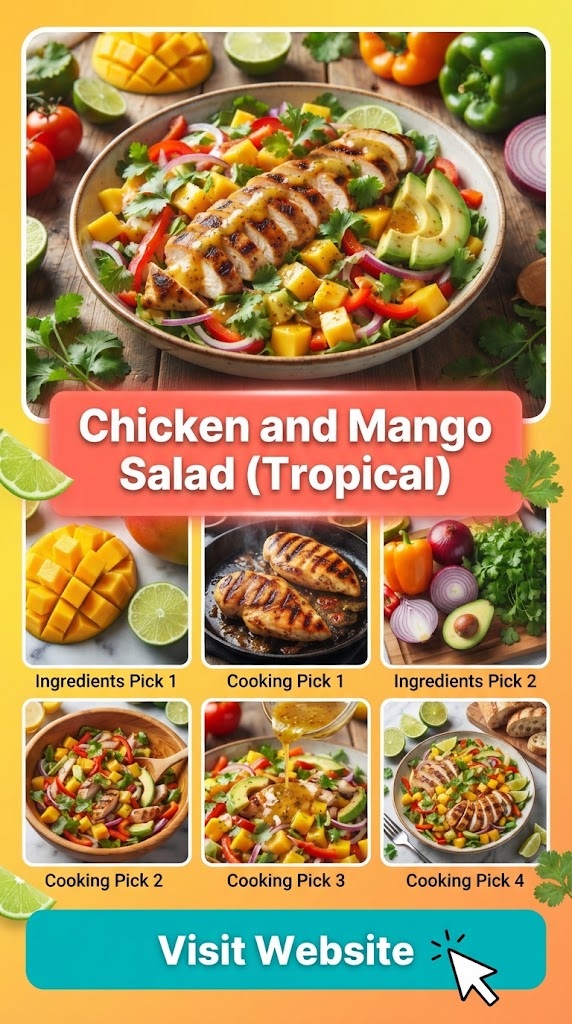
How to Make quick mango habanero whole chicken at Home
When it comes to culinary pairings, few duos are as legendary or as polarizing as mango and habanero. It is a marriage of extremes: the lush, tropical sweetness of a ripe mango meeting the fierce, citrusy sting of a habanero pepper. When applied to a whole roasted chicken, this flavor profile transforms a standard family dinner into a gourmet experience that hits every corner of the palate.
While roasting a whole chicken often feels like a labor-intensive Sunday project, this guide is designed to show you how to achieve “quick” results without sacrificing the deep, caramelized crust and juicy interior that define a perfect roast. Whether you are a seasoned griller or a kitchen novice, mastering the Mango Habanero Whole Chicken is your ticket to becoming a backyard legend.
Why Whole Chicken? The Case for the Bird
Before we dive into the spicy details, let’s talk about why we are using a whole chicken rather than just breasts or thighs.
- Economic Value: Whole chickens are significantly cheaper per pound than butchered parts.
- Flavor Depth: Cooking a bird on the bone preserves moisture. The marrow and connective tissues break down during roasting, essentially “basting” the meat from the inside out.
- The Skin: You cannot replicate the texture of a fully roasted chicken skin on a skinless breast. The mango habanero glaze needs that surface area to cling to, caramelize, and crisp up.
- Versatility: One whole chicken provides white meat, dark meat, and a carcass for a world-class spicy chicken stock the next day.
The Secret to “Quick”: The Spatchcock Technique
The biggest barrier to making a whole chicken on a weeknight is the time it takes to cook. A traditional 4-pound bird can take 75 to 90 minutes to roast. However, by using the spatchcock (or butterflying) technique, you can reduce that time to roughly 45 minutes.
Spatchcocking involves removing the backbone and flattening the bird. This allows the heat to hit the chicken evenly from all sides. No more waiting for the thickest part of the thigh to cook while the breast meat dries out. In a spatchcocked bird, everything reaches the finish line at the same time.
How to Spatchcock Your Chicken:
- Place the chicken breast-side down on a cutting board.
- Using heavy-duty kitchen shears, cut along one side of the backbone from the tail to the neck.
- Repeat on the other side of the backbone and remove it entirely (save this for your stock!).
- Flip the chicken over and press down firmly on the breastbone with the palm of your hand until you hear a crack.
- The chicken should now lie completely flat.
Understanding the Heat: The Habanero Pepper
The habanero is not just about heat; it has a distinct fruity, floral aroma that complements tropical fruits perfectly. On the Scoville scale, habaneros range from 100,000 to 350,000 SHU (Scoville Heat Units). For comparison, a jalapeño is roughly 2,500 to 8,000 SHU.
Pro Tip for Heat Control: Most of the capsaicin (the heat) is found in the white pith and seeds of the pepper.
- For Mild-Medium Heat: Remove all seeds and ribs.
- For Hot: Keep the ribs but discard the seeds.
- For Extreme: Use the whole pepper.
Always wear gloves when handling habaneros. The oils can stay on your skin for hours, and touching your eyes or face after chopping them is a mistake you only make once.
The Ingredients: Freshness is Non-Negotiable
To make a restaurant-quality mango habanero chicken, the quality of your ingredients is paramount.
For the Chicken:
- 1 Whole Chicken (approx. 4 lbs): Organic or air-chilled chickens usually have less water weight and better flavor.
- Kosher Salt and Coarse Black Pepper: Essential for the initial dry brine.
- Neutral Oil: Grapeseed or avocado oil works best due to their high smoke points.
For the Mango Habanero Glaze:
- 2 Ripe Mangoes: Look for Champagne (Ataulfo) mangoes; they are less fibrous and much sweeter than the standard Tommy Atkins variety.
- 1-3 Habanero Peppers: Depending on your spice tolerance.
- 3 Cloves Garlic: Smashed and minced.
- 2 Tablespoons Honey or Agave: To help with the “sticky” factor.
- 1 Tablespoon Apple Cider Vinegar: The acidity cuts through the sugar and fat.
- 1 Teaspoon Smoked Paprika: Adds a subtle earthiness.
- 1 Tablespoon Fresh Lime Juice: To brighten the finish.
Step-by-Step Instructions: The Quick Method
Phase 1: Prep and Dry Brining (15 Minutes)
Preparation is the key to speed. Once your chicken is spatchcocked, pat the skin extremely dry with paper towels. Moisture is the enemy of crispy skin.
Generously season both sides with kosher salt and pepper. If you have time, let the chicken sit uncovered in the refrigerator for 30 minutes. This “dry brining” process draws moisture out of the skin and allows the salt to penetrate the meat, ensuring every bite is seasoned.
Phase 2: Creating the Signature Glaze
While the chicken rests, prepare your glaze.
- Peel and dice the mangoes, discarding the pit.
- In a blender or food processor, combine the mango, habaneros, garlic, honey, vinegar, and smoked paprika.
- Pulse until completely smooth.
- Pour the mixture into a small saucepan and simmer over medium-low heat for 10 minutes. This reduces the water content, intensifying the flavors and creating a thick, syrup-like consistency that will stick to the chicken.
Phase 3: The High-Heat Roast
Preheat your oven to 425°F (220°C). A high temperature is crucial for “quick” roasting.
- Place the chicken on a wire rack set over a rimmed baking sheet. This allows hot air to circulate under the bird.
- Lightly brush the skin with a high-smoke-point oil.
- Roast the chicken for 25 minutes without any glaze. We want the skin to start rendering its fat and becoming golden before we add the sugar-heavy mango sauce.
Phase 4: The Glazing Process
After 25 minutes, remove the chicken from the oven. Using a pastry brush, coat the entire surface of the chicken with a thick layer of the mango habanero glaze.
- Return the chicken to the oven for 10 minutes.
- Apply a second coat of glaze.
- Continue roasting until the internal temperature of the breast reaches 160°F (71°C) and the thighs reach 175°F (79°C). The carryover heat will bring the breast to the food-safe 165°F while it rests.
- (Optional) Switch to the broiler for the last 2 minutes if you want “char” spots on the skin. Watch it closely; sugar burns fast!
Phase 5: The Rest
This is the most skipped step, but the most important. Let the chicken rest for at least 10-15 minutes before carving. If you cut into it immediately, the juices will run out onto the board, leaving you with dry meat. Resting allows the fibers to reabsorb the juices.
Alternative Cooking Methods
While the oven is the most accessible method, this recipe translates beautifully to other appliances.
The Outdoor Grill Method
If you want a smoky char, the grill is your best friend.
- Set up a two-zone fire (hot side and cool side).
- Sear the chicken skin-side down on the cool side (indirect heat) to avoid flare-ups from the fat.
- Glaze only in the last 15 minutes of cooking to prevent the mango sugars from burning.
The Air Fryer Method
If you have a large 7-quart or 10-quart air fryer, you can cook a whole chicken with incredible results.
- Spatchcocking is mandatory here to fit the bird.
- Cook at 375°F for 35-40 minutes.
- Air fryers move air so fast that the glaze will caramelize into a beautiful “shell.”
The Science of Flavor: Why This Works
The reason Mango Habanero is such a staple in Caribbean and Central American cuisines is the balance of the four pillars of flavor:
- Sweet (Mango/Honey): Tames the capsaicin and provides the mouthfeel.
- Heat (Habanero): Stimulates the pain receptors which, in turn, releases endorphins.
- Acid (Vinegar/Lime): Cleanses the palate from the fat of the chicken skin.
- Salt: Enhances all the above.
Perfect Side Dish Pairings
A meal this bold needs sides that either complement the sweetness or provide a cooling contrast.
- Coconut Cilantro Rice: The fat in the coconut milk helps coat the tongue, neutralizing some of the habanero’s burn.
- Jicama Slaw: A crunchy, cold slaw with lime juice and honey provides a refreshing textural contrast.
- Charred Broccolini: The bitterness of the charred greens cuts through the fruity glaze.
- Fried Plantains: Lean into the tropical theme with sweet, caramelized maduros.
Beverage Pairings
Choosing the right drink can make or break a spicy meal.
- Beer: Reach for an IPA (India Pale Ale). The hops can accentuate the spice, or a Mexican Lager with lime for a refreshing, cooling effect.
- Wine: A slightly sweet Riesling or a Gewürztraminer is the classic choice for spicy poultry. The residual sugar in the wine balances the heat. Avoid high-tannin reds like Cabernet Sauvignon, which can make the spice feel astringent.
- Non-Alcoholic: A Horchata (cinnamon rice milk) is the ultimate fire extinguisher for habanero heat.
Common Mistakes to Avoid
- Using Unripe Mangoes: Unripe mangoes are starchy and sour. They won’t provide the necessary sugars for caramelization. The mango should give slightly when pressed, like a ripe avocado.
- Glazing Too Early: Because the glaze is high in sugar, putting it on at the beginning of a 45-minute roast will result in a blackened, burnt mess. Always wait until the chicken is at least 60-70% cooked.
- Crowding the Pan: If you put vegetables around the chicken, ensure they aren’t touching it. Crowding creates steam, and steam prevents crispy skin.
- Skipping the Thermometer: Color is a liar. The only way to know if a whole chicken is perfectly cooked and safe is with an instant-read meat thermometer.
Troubleshooting Your Heat Levels
Did you go too heavy on the peppers? Don’t panic. If the glaze is too hot before you apply it to the chicken, try these fixes:
- Add Fat: Stir in a tablespoon of cold butter or a dollop of Greek yogurt.
- Add More Sweet: Increase the honey or mango puree.
- Add More Acid: A squeeze of extra lime juice can mask the perception of heat.
If the chicken is already cooked and it’s too spicy to eat, serve it with a side of sour cream or crema to help douse the flames.
Leftover Magic: Don’t Waste a Bite
One of the best parts of a whole chicken is the leftovers. The mango habanero flavor profile lends itself to several incredible next-day meals:
- Mango Habanero Tacos: Shred the leftover meat, reheat it in a pan with a little leftover glaze, and serve in corn tortillas with pickled red onions.
- Spicy Chicken Salad: Mix the cold shredded chicken with mayo, diced celery, and a touch of lime for a sandwich filling with a kick.
- The Bone Broth: Simmer the carcass with onions, carrots, and a jalapeño. The residual mango habanero seasoning will infuse the broth with a subtle, sweet heat that makes an incredible base for a spicy noodle soup.
Storage and Reheating
- Storage: Keep leftover chicken in an airtight container for up to 4 days in the refrigerator.
- Reheating: To maintain the skin texture, avoid the microwave. Reheat in a 350°F oven or an air fryer for 5-7 minutes. This will crisp the skin back up and keep the meat from turning rubbery.
The Cultural Context of Mango and Peppers
While we think of “Mango Habanero” as a modern Buffalo Wild Wings flavor, its roots are deep in the Caribbean. In nations like Jamaica and Belize, tropical fruits have always been used to temper the local peppers (like Scotch Bonnets, a close relative of the habanero).
By making this at home, you aren’t just making dinner; you are participating in a long tradition of “Agrodolce”—the Italian term for sour and sweet—adapted for the heat of the Americas.
Final Thoughts: The Joy of the Roast
Cooking a whole chicken is one of those fundamental kitchen skills that brings immense satisfaction. When you add the vibrant, neon-orange glow of a mango habanero glaze, you turn a humble bird into a centerpiece.
This recipe is designed for the modern lifestyle: it’s fast thanks to the spatchcock method, it’s healthy (full of Vitamin C from the mangoes and capsaicin for metabolism), and it’s undeniably delicious. The next time you see a whole chicken at the market, don’t walk past it. Grab some ripe mangoes, a couple of habaneros, and get ready to experience the most flavorful “quick” dinner in your repertoire.
The beauty of the Mango Habanero Whole Chicken is that it challenges your taste buds while comforting your soul. It’s spicy, it’s sticky, it’s sweet, and it’s exactly what your dinner table has been missing. Enjoy the process, mind the peppers, and most importantly, enjoy every juicy, spicy bite.