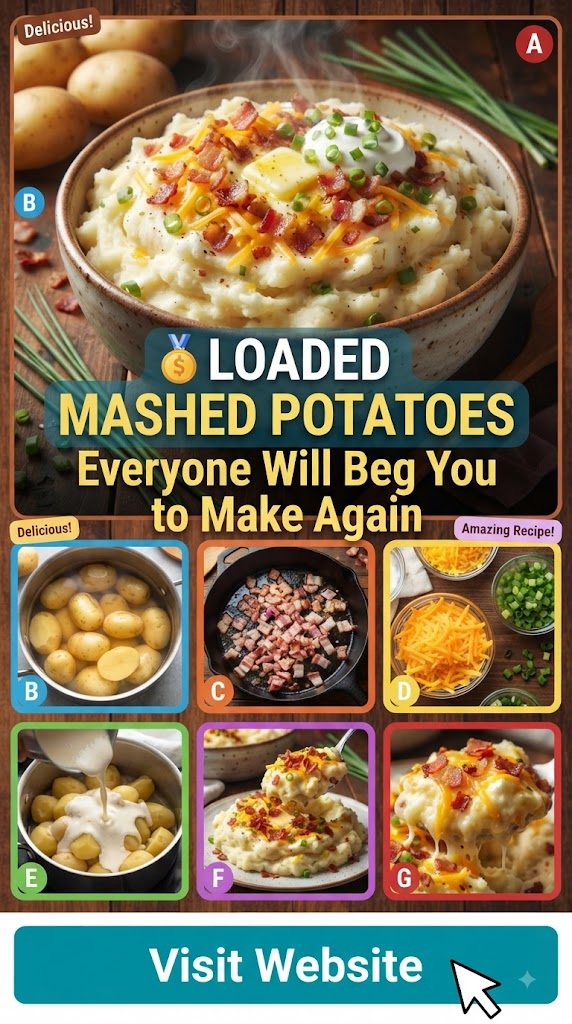
Loaded Mashed Potatoes Everyone Loves
If there is one side dish that has the power to silence a room and bring a look of pure bliss to everyone around the table, it is a bowl of perfectly executed loaded mashed potatoes. We aren’t just talking about a side dish here; we are talking about a culinary experience that bridges the gap between a humble root vegetable and a decadent steakhouse indulgence.
Imagine a texture so silky it glides across the palate, punctuated by the smoky crunch of thick-cut bacon, the sharp tang of aged cheddar, and the bright, fresh bite of garden chives. This isn’t just a recipe; it’s a celebration of textures and flavors that work in absolute harmony. Whether you are hosting a high-stakes Thanksgiving dinner, a cozy Sunday roast, or just trying to elevate a Tuesday night meatloaf, these loaded mashed potatoes are your secret weapon.
The Secret to the Creamiest Mashed Potatoes Ever
To achieve the “perfect” mash, we have to look past the surface level. It isn’t just about smashing some boiled tubers with a fork. It’s about science, temperature, and technique. The goal is to manage the starch. When potatoes are cooked, their starch granules swell. If you handle them too roughly, or if you use the wrong tools, those granules burst, releasing a sticky, gluey mess.
Our mission is to create a fluffy, cloud-like structure that can support the weight of heavy cream, butter, and all the “loaded” fixings without becoming gummy. This involves a delicate balance of heat management and fat incorporation. If you follow this guide, you’ll never serve a bowl of bland, watery, or sticky potatoes ever again.
A Deeper Look at Your Ingredients
The quality of your output is strictly limited by the quality of your input. In a recipe with relatively few components, every single one needs to shine.
The Potatoes: The Foundation
While there are hundreds of potato varieties, for this specific dish, we generally look at two main contenders: Russets and Yukon Golds.
- Russets (The Fluffy Choice): High in starch and low in moisture, Russets fall apart easily when boiled and mash into a very light, airy texture. They are like sponges, ready to soak up all the butter and cream you throw at them.
- Yukon Golds (The Buttery Choice): These are medium-starch potatoes with a naturally creamy, yellow flesh and a slightly buttery flavor. They hold their shape a bit better than Russets but provide a luxurious, velvet-like mouthfeel.
- The Pro Move: Use a 50/50 split. By combining both, you get the airy loft of the Russet and the rich, creamy flavor of the Yukon Gold. It truly is the best of both worlds.
The Fat: Butter and Cream
Do not skimp here. This is not the time for margarine or low-fat milk. Use high-quality, unsalted grass-fed butter if you can find it. The higher butterfat content in European-style butters makes a noticeable difference in the richness of the final dish. For the liquid, heavy cream is the gold standard, though half-and-half works if you want something slightly lighter.
The “Loaded” Components
- Bacon: Forget the pre-packaged bits. Buy thick-cut bacon and fry it yourself until it is exceptionally crispy. The contrast between the soft potatoes and the crunchy bacon is vital.
- Cheese: Sharp or Extra Sharp Cheddar is the traditional choice. Always grate it yourself from a block. Pre-shredded cheese is coated in potato starch or cellulose to prevent clumping in the bag, which prevents it from melting smoothly into your potatoes.
- Sour Cream: This adds a necessary acidity that cuts through the heavy fat of the butter and cheese. It brightens the whole dish.
- Chives or Green Onions: These provide a much-needed pop of color and a mild onion flavor that rounds out the savory notes.
Tools You’ll Need for Potato Perfection
Before you peel a single spud, make sure your kitchen is staged with the right gear.
- A Large Stockpot: You need enough room for the potatoes to move freely in the water.
- A Vegetable Peeler: A sharp Y-peeler is usually the fastest and safest.
- A Potato Ricer or Food Mill: This is the “secret” tool used by professional chefs. It pushes the cooked potato through tiny holes, creating small “grains” of potato without overworking the starch. If you don’t have one, a traditional hand masher works, but avoid the electric hand mixer at all costs!
- A Colander: For thorough draining.
- A Small Saucepan: For warming your dairy. Never add cold milk or butter to hot potatoes; it shocks the starch and ruins the texture.
Step-by-Step: From Spuds to Spectacular
1. Preparation and The Cold Start
Start by peeling your potatoes and cutting them into uniform 1-inch chunks. Uniformity is key—if some pieces are small and others are large, the small ones will become waterlogged while the large ones remain hard in the center.
Place the chunks in your large pot and cover them with cold water (about an inch above the potatoes). Crucial Tip: Always start with cold water. If you drop potatoes into boiling water, the outside will cook and turn mushy before the inside is even warm. Starting cold ensures the potato heats through evenly. Add a generous tablespoon of kosher salt to the water now. This is your only chance to season the potato from the inside out.
2. The Gentle Boil
Bring the water to a boil, then reduce the heat to a simmer. You want a “friendly” bubble, not a violent rolling boil. Cook for about 15–20 minutes. You’ll know they are done when a paring knife slides into a chunk with zero resistance. If the potato clings to the knife, it needs more time.
3. The Steam Dry
Drain the potatoes into a colander. Now, here is the step most home cooks skip: put the drained potatoes back into the hot, empty pot. Turn the heat to low for about 60 seconds, gently shaking the pot. You will see steam rising—this is excess moisture evaporating. A dry potato is a potato that is ready to absorb butter. A wet potato is a potato that will taste bland.
4. The Ricing or Mashing
While the potatoes are still piping hot, run them through your potato ricer into a large mixing bowl. If using a hand masher, work quickly and steadily. The goal is to break them down while they are hot and the starch is most pliable.
5. Incorporating the “Liquid Gold”
In your small saucepan, heat your heavy cream and butter together until the butter is melted and the liquid is steaming (but not boiling).
Slowly pour the warm mixture into the riced potatoes. Use a rubber spatula to gently fold the liquid in. Do not beat them! Fold until just combined.
6. Loading It Up
Now comes the fun part. Fold in your sour cream, most of your shredded cheddar, and about two-thirds of your crispy bacon and chives. Taste it. Does it need more salt? A crack of black pepper? This is where you adjust the seasoning to your preference.
7. The Final Garnish
Transfer the mixture to a serving bowl. Top with the remaining cheese, bacon, and chives. For an extra touch of decadence, add a few small pats of butter on top and let them melt into the crevices.
Why This Recipe Wins Every Single Time
The reason this version of loaded mashed potatoes stands above the rest is the attention to detail. Most recipes treat the “loaded” aspect as a way to hide mediocre potatoes. In this recipe, we treat the potatoes with the respect of a French puree and then enhance them with the bold flavors of an American smokehouse.
The sour cream adds a tang that mimics the flavor of a loaded baked potato, while the technique of warming the dairy ensures the potatoes stay hot until they hit the table. It is a dish that feels both familiar and elevated.
Chef’s Secrets for Fluffiness
If you want to take your skills to the executive chef level, keep these three secrets in mind:
- Salt the Water Like the Sea: Don’t be afraid of the salt in the boiling water. Most of it goes down the drain, but the small amount that penetrates the potato makes the flavor pop.
- The Temperature Match: If you add cold sour cream or cold butter to hot potatoes, the fat can break and become oily. Let your sour cream sit on the counter for 20 minutes to take the chill off before folding it in.
- The Butter-First Method: Some chefs swear by mashing the butter into the dry potatoes before adding the cream. This coats the starch molecules in fat, which acts as a barrier and prevents the milk’s water content from making the potatoes gummy. It’s a foolproof way to get a silky texture.
Avoiding the “Gluey” Potato Trap
We’ve all been there: you sit down to a beautiful dinner, take a scoop of potatoes, and it has the consistency of wallpaper paste. This happens for one reason: mechanical overworking.
When you use a food processor, a blender, or an electric mixer on high speed, the blades shear the starch granules at a microscopic level. This releases a massive amount of amylopectin, which creates that sticky, glue-like texture. To avoid this, always use manual tools. A ricer is best, a food mill is second, and a hand masher is third. If you must use a hand mixer, use the lowest setting and stop the very second the lumps are gone.
Creative Variations to Try This Week
While the classic cheddar-bacon-chive combo is unbeatable, you can use this base recipe to explore other flavor profiles:
- The Loaded Garlic Herb: Roasted a whole head of garlic until the cloves are soft like paste. Mash that garlic directly into the potatoes along with fresh rosemary and thyme.
- The Spicy Southwest: Swap the cheddar for Pepper Jack cheese. Add diced pickled jalapeños and a teaspoon of cumin. Garnish with cilantro instead of chives.
- The Loaded Ranch: Add a tablespoon of dry ranch seasoning mix to the cream while heating. It adds a herbaceous, zesty depth that kids especially love.
- The Blue Cheese & Caramelized Onion: For a sophisticated twist, use crumbled Gorgonzola instead of cheddar and fold in onions that have been slowly browned in butter for 30 minutes.
What to Serve with Your Loaded Mash
These potatoes are quite rich, so they pair best with proteins that have a bit of a crust or a strong savory profile.
- Steak: A pan-seared ribeye or a grilled New York strip is the natural partner. The juice from the steak mingles with the creamy potatoes in the best way possible.
- Roasted Chicken: A simple herb-roasted chicken provides a lighter protein that allows the potatoes to be the star of the show.
- Meatloaf: This is the ultimate “home cooking” pairing. The glaze on the meatloaf complements the tang of the sour cream in the potatoes.
- Holiday Turkey: If you’re serving these for Thanksgiving, ensure your gravy is savory and not too sweet to balance the richness of the cheese.
Make-Ahead and Storage Guide
One of the best things about these loaded mashed potatoes is that they actually hold up quite well.
- Make-Ahead: You can make these up to 2 days in advance. Store them in an airtight container in the fridge. When ready to serve, place them in a baking dish, cover with foil, and heat in a 350°F oven until warmed through. You may need to stir in a splash of warm milk to loosen them back up.
- Storage: Leftovers will keep in the refrigerator for about 3 to 4 days.
- Freezing: Believe it or not, mashed potatoes freeze well because of the high fat content from the butter and cream. Freeze them in a freezer-safe bag, pressed flat. They will last for 2 months. Thaw in the fridge overnight before reheating.
Reheating Tips for Success
Microwaving mashed potatoes can often result in uneven heating and “hot spots” that dry out. For the best results:
- Stovetop: Place potatoes in a saucepan over low heat. Add a tablespoon of butter and a splash of milk. Stir constantly until creamy and hot.
- Oven: This is the best way to maintain the “loaded” texture. Cover with foil to prevent a skin from forming, and bake at 350°F for 20 minutes.
- Slow Cooker: If you are serving a crowd, you can keep the potatoes warm in a slow cooker on the “warm” setting for up to 2 hours. Add a little extra butter to the bottom of the crock to prevent sticking.
Nutrition Information
(Note: Values are approximate per serving based on 8 servings)
- Calories: 345 kcal
- Total Fat: 22g
- Saturated Fat: 14g
- Cholesterol: 65mg
- Sodium: 480mg
- Total Carbohydrates: 28g
- Dietary Fiber: 3g
- Sugars: 2g
- Protein: 9g
Frequently Asked Questions
Can I leave the skins on?
For “Loaded” potatoes, most people prefer a smooth texture, so peeling is recommended. However, if you like a rustic “smash,” you can leave the skins on the Yukon Golds (which have thin, tender skin). I would still peel the Russets as their skin is quite tough and earthy.
What’s the best way to cook the bacon?
For the most even results and the least mess, bake your bacon. Lay the strips on a parchment-lined baking sheet and bake at 400°F for 15–20 minutes. This renders the fat perfectly and results in flat, easy-to-crumble strips.
My potatoes are too salty! How do I fix it?
If you over-salted the water or added too much salt at the end, try adding a bit more sour cream or a splash of unsalted heavy cream. The fat and the tang will help mask the saltiness. Alternatively, you can boil one more potato (unsalted) and mix it into the batch to dilute the salt concentration.
Can I use Greek yogurt instead of sour cream?
Yes! Plain Greek yogurt is an excellent substitute for sour cream. It provides a similar tang and creaminess with a bit more protein and less fat. Just make sure it’s full-fat yogurt for the best texture.
Why did my potatoes turn grey?
Potatoes can oxidize and turn grey if they are peeled and left out in the air for too long before cooking. To prevent this, place your peeled and cut potatoes in a bowl of cold water immediately. Also, using an aluminum pot can sometimes cause a reaction that discolors potatoes; stainless steel or enamel-coated pots are preferred.
Can I make these vegan?
You can certainly try! Use a high-quality vegan butter substitute, full-fat canned coconut milk (or a heavy cream alternative), and vegan cheese shreds. For the bacon, smoked tempeh bits or mushroom “bacon” can provide that smoky crunch.
Is it okay to use a blender?
No. Please, for the love of all things culinary, keep your potatoes away from the blender. The high speed will turn your potatoes into a texture resembling Elmer’s glue. Stick to the hand masher or ricer.
How many potatoes do I need per person?
A good rule of thumb is about 1/2 pound of potatoes per person. So, if you are feeding 8 people, you’ll want at least 4 pounds of potatoes. Since this is a “loaded” recipe and people often want seconds, I usually lean toward 5 pounds for a group of 8.
Practical Tips for the Busy Cook
If you are in a rush but still want that “wow” factor, here are a few shortcuts that don’t sacrifice too much quality:
- Pre-cut your potatoes: You can peel and chop your potatoes up to 4 hours in advance. Just keep them submerged in cold water in the fridge so they don’t brown.
- Use a microwave for the dairy: Instead of a saucepan, you can heat your cream and butter in a microwave-safe bowl. Just keep an eye on it so the cream doesn’t boil over.
- Store-bought bacon bits: If you absolutely must, look for “Real Bacon Bits” in the refrigerated section rather than the crunchy, shelf-stable bits in the spice aisle. The refrigerated ones are actual cooked bacon.
The Role of Salt and Pepper
It might seem basic, but seasoning is where most people fail. Potatoes are naturally very bland. They require a significant amount of salt to bring out their sweetness. When seasoning at the end, use Kosher salt rather than fine table salt. The larger grains allow for more control.
As for pepper, white pepper is often used in professional kitchens for mashed potatoes because it disappears into the white mash. However, for “loaded” potatoes, the visible flecks of freshly cracked black pepper add to the rustic, hearty look of the dish.
Understanding Starch: The “Why” Behind the Recipe
To truly master this dish, it helps to understand what’s happening inside the pot. Potatoes are primarily made of starch granules held together by pectin.
- Amylose is the long, straight starch molecule found in Russets. It separates easily, creating a mealy, fluffy texture.
- Amylopectin is the branched starch molecule found in waxy potatoes (like Red Bliss). It holds together, creating a firm, waxy texture.
By choosing the right potato and using a ricer, you are managing these molecules. The ricer gently separates the cells without rupturing them. When you add the fat (butter and cream), you are coating these cells, which prevents them from bonding together into a sticky mass. This is why adding the fat before or alongside the liquid is so vital for that restaurant-quality finish.
The Final Flourish: Presentation Matters
We eat with our eyes first. While a big bowl of mashed potatoes is inherently appealing, a few small touches can make it look like it came out of a gourmet magazine:
- The Well: Use the back of a large spoon to create a “swirl” or a well in the center of the potatoes. Pour a tablespoon of melted butter into this well right before serving.
- Height: Don’t just smooth the top flat. Use a fork to fluff the top so there are peaks and valleys. This creates more surface area for the toppings to catch on.
- Freshness: Save a handful of fresh chives to sprinkle on at the very last second. The bright green color against the white potatoes and orange cheese is visually stunning.
Conclusion
Making loaded mashed potatoes is an act of love. It’s taking a simple, inexpensive ingredient and transforming it through technique and thoughtful additions into something that feels like a luxury. It’s the ultimate side dish because it appeals to everyone—from the pickiest kids to the most discerning foodies.
By focusing on the type of potato you use, the temperature of your ingredients, and the gentleness of your mixing, you are ensuring a result that is far superior to any “instant” version or basic mash. These are potatoes that demand to be noticed. They are rich, savory, salty, and incredibly satisfying.
Next time you have a gathering, or simply want to treat yourself to the ultimate comfort meal, pull out this guide. Follow the steps, respect the starch, and get ready for the compliments to start rolling in. Whether they are the star of your holiday table or the highlight of a simple weeknight dinner, these loaded mashed potatoes are guaranteed to be the best thing on the plate. Happy mashing!